Why I Quit Ballet
A repost that explains it all

I get this question a lot. Why did you quit ballet? The answer feels a bit different every time. Sometimes I reject the question outright. (I didn’t quit, exactly! I just stopped doing it for money!!!) But the most thorough answer I ever gave to the question of Why I Quit was to my dear friend Emily, when she asked me to write this essay for her blog two years ago. I’ve been traveling the past month, so I haven’t had time to write anything new, but if you’re new to this page, or you’re curious about what started this whole writing thing for me, this essay is the gist of my story, pre-Stage Two.
I enjoyed revisiting this essay this week, as I approach the second anniversary of my last performance as a professional ballerina. I still feel like a toddler in my new life, only just getting the hang of my regular, flat feet. Like many extreme sports, ballet tends to become much more than just a hobby or a job: it’s more like a high-control religion; dictating your daily schedule, your appearance and physical expression, in most cases your geography, your inability to separate December from the Nutcracker, and your fundamental sense of self, starting at the ripe old age of ten or eleven. Leaving all that behind is no joke.
At the time of writing this, fresh off the plane from Denmark, and from a wonderful solo hike in Scotland, I truly had no idea how much angst, soul-searching and disorientation I was in for. (God, quitting ballet is HARD. Kudos to everyone who has done it. If you are taking the plunge yourself, you are a brave and capable badass, and you’re not alone!!) If you’ve spent any part of your life in the achingly beautiful, horrifically distorted world of ballet, I hope my story makes you feel seen or comforted in some small way.
Also wanted to send a quick shoutout to those of you who are paid subscribers to this page! I love being able to write and publish here, and I so deeply appreciate your support for this project. Thank you!
On to the essay!
Turn a moment with me, back to the fall of 2020, somewhere between the first and second wave of the pandemic. As the world slowly tried to regain its footing, my career at the prestigious Royal Danish Ballet was moving forward like a high-speed train. My colleagues and I had resumed performing, for socially distanced audiences, after months of lockdown limbo. I felt strong again after a long recovery from a concussion. I was dancing solos in every production, and, after someone got injured, premiered last-minute in a principal role that I’d been understudying. My boss was happy, and people around me kept whispering about the coveted promotion to Soloist—it felt like just a matter of time until I would get some formal recognition, like my lifetime of hard work was about to pay off. So when a new swell of COVID sent the dancers back off the stage, mid-Nutcracker, I decided to give myself a little slack. I flew home for the holidays, and purposefully neglected to stress about the next upcoming ballet. For the first time in my career, I felt like I could afford to take a breather.
The week before Christmas, I got my period. I hadn’t menstruated in years. My typically irregular cycles had dried up completely in my early twenties, and although I had spent months prior working with the ballet’s health team to tweak my diet and activity levels, it was only now, at home and off the hook, that some switch in my hormones finally flickered on again. Then, when I returned to the studio after the winter lockdown, my previously compliant body began to fight against me. My heart started to beat like a caged bird anywhere in the vicinity of the theater. I found it really hard to summon the energy to take warm-up training in the morning; what used to feel as natural and necessary as a morning cup of coffee suddenly became a monumental effort. I found myself wanting to cry a lot, without understanding why. I stopped reaching out to friends and spent a lot of time alone in my apartment.
As a child, while my older siblings were the type to smile modestly and avert their gaze whenever a camera appeared nearby, I was the kid who ran to the foreground, and struck elaborate poses, until my parents had to tell me to move. I couldn’t stay still in the presence of music and felt most at home in my body when I was in dance class with my friends or wandering through the imaginary worlds of my backyard. I’ve also always had a ferocious determination streak. Around the age of eight, I saw the Nutcracker, decided I wanted to be on that stage, and convinced my parents to let me go to the professional ballet school in Pittsburgh. Then, when I was twelve, I got into what I was told was the best summer school in the country, and during those five weeks in New York, found company in a bunch of ambitious preteens just like me, who said they wanted to join New York City Ballet and become stars. That summer turned out to be the first taste of a drug that would hook me: the finish line drawn ahead that I would do anything to cross. I was going to do it. I was going to be a ballet dancer.
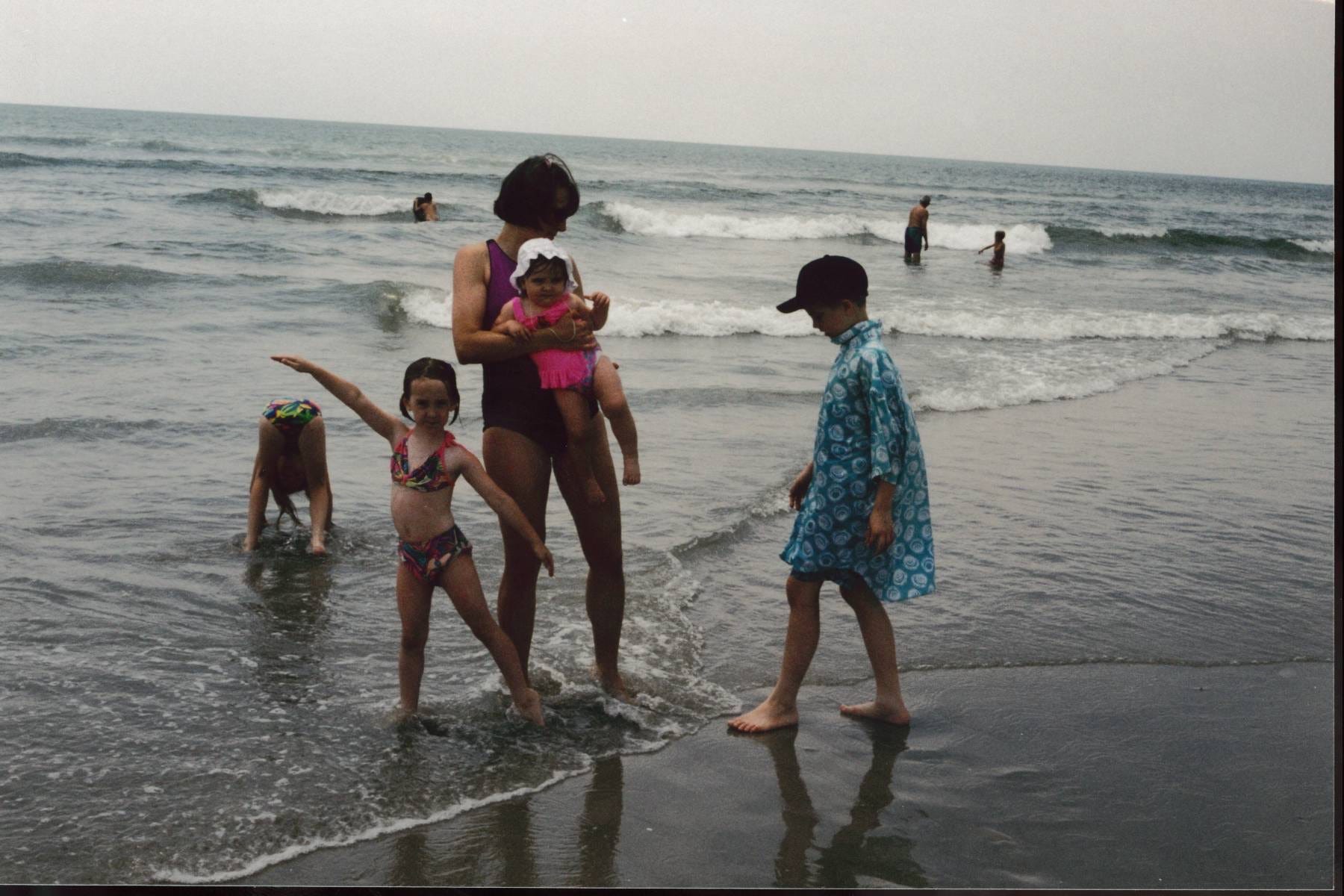
With a combination of very hard work, the fortuitous accident that I was born with long legs and arched feet, the lavish generosity of my supportive parents and mentors, and a decent dose of sheer luck, my dream materialized. I performed in professional ballet companies for ten years, an incredible journey that took me from my home in western Pennsylania and across the US, Europe and Asia. I have danced in front of the literal Queen of Denmark, bowed alone in front of fifteen hundred people, and made some of the best friends of my life.
But by the end of the 2021 season, my body’s signals had been clear enough to convince me that something wasn’t right. I was dancing better than ever and getting cast in more and more featured roles. In my mid-twenties I was just reaching the physical peak of my abilities. So why was it now that I was losing grip on the determination that had carried me this far?
I decided to cut my hair short that spring, something that’s not typically allowed for women ballet dancers. When I sat and looked at my pixie cut in the mirror, I experienced a rush of emotion, like a faucet suddenly turned on and started flowing through my limbs. My body was speaking to me, telling me in no uncertain terms: this feels good—listen to this.
So I listened. I started going to therapy. I acquired some tools to help me think critically about my past and give myself some much-needed compassion. I began to realize how much my outwardly ideal relationship with my craft had become one of internal anxiety and alienation.
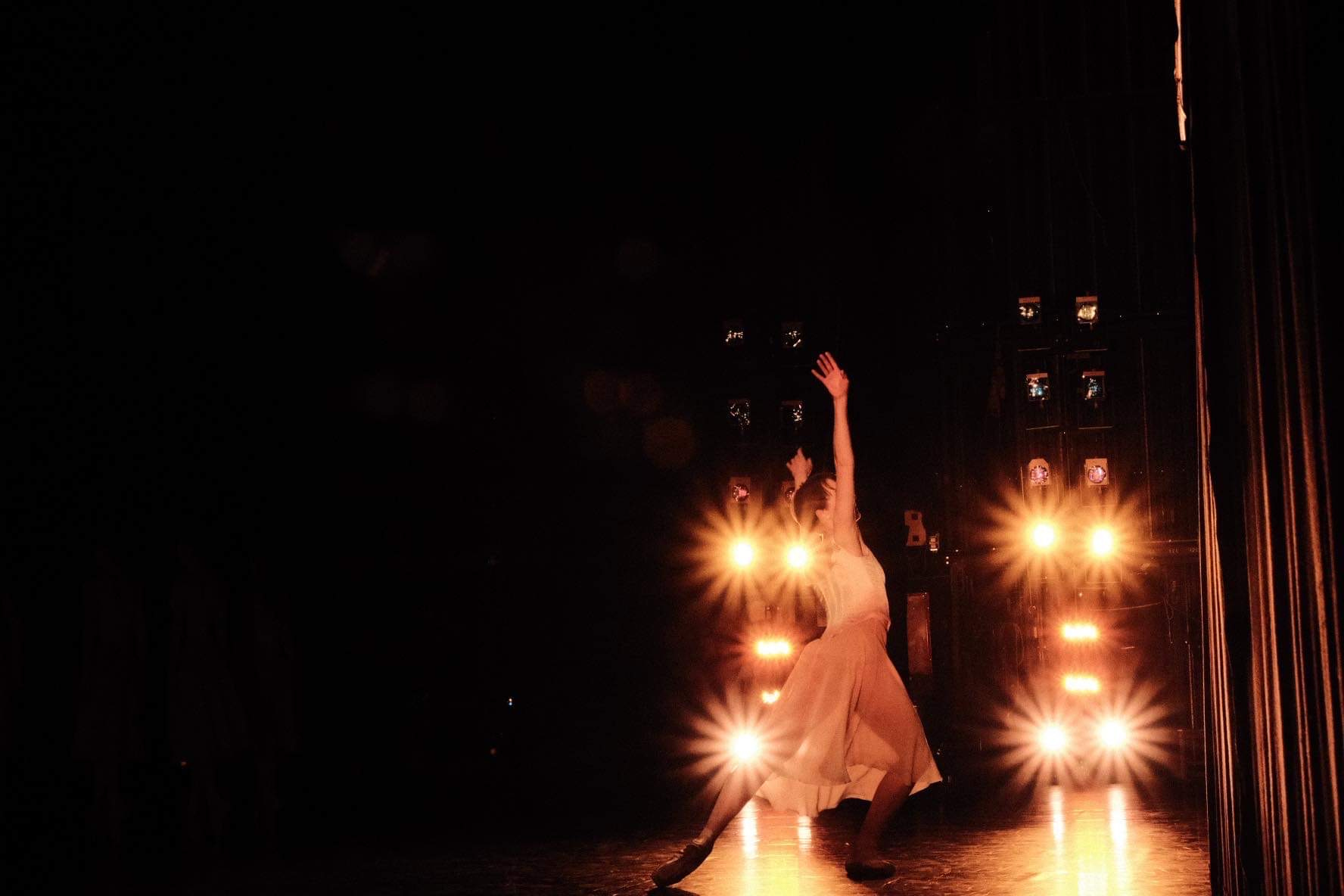
I sit in the big studio, five minutes before rehearsal, tying on my pointe shoes, as I have a million times before. The other four dancers in the piece are already up, going through the steps, fixing their skirts in the mirror. Crouched over on the grey vinyl floor, my body feels raw, like stripped bark. I glance into the mirror at my newly cropped hair, and watch as this woman inside my body stands up and begins to move through choreography, like I’m watching a film.
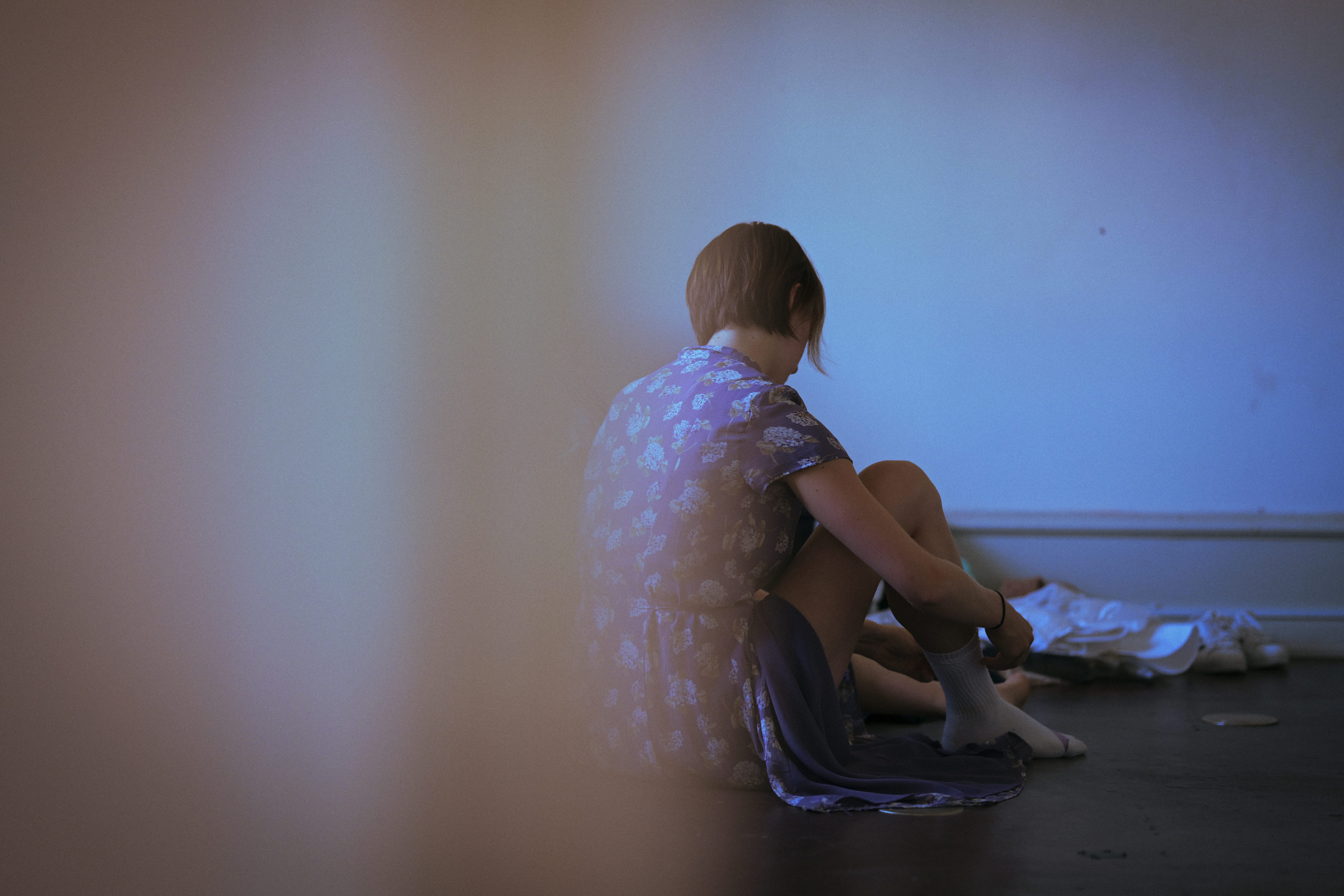
For all the joy of getting paid to dress up in amazing costumes and embody works of art, forty-plus hours a week, salaried ballet dancers don’t get a ton of control over our lives. Someone else has the final say over how our bodies are allowed to look, how we are expected to warm up in the morning, how we can interpret the roles we dance. Besides the glimpses of freedom onstage, when all the rehearsals are finished and the moment belongs only to the performer, a ballet dancer’s job is essentially to show up, stay in shape, and do what we are told. Ballet culture is especially authoritarian when it comes to casting and career development. Dancers receive casting assignments, without explanation, from sheets of paper hung in a hallway. Promotions are announced out of the blue, with great fanfare in front of a room of colleagues, when the recipient least expects it.
Like most ballet dancers, I used to love the joyful spectacle of these surprise promotions. They offered a beloved chance to applaud the hard work of friends and colleagues, and the outburst of joy was not just good social media fodder—it also offered a kernel of hope for the rest of us, who imagined that maybe, one day, we would be the ones at the center of the crowd, bowing and holding flowers.
But this year, I started to see the promotion ritual in a darker light. The same kernel of hope that motivates dancers, also becomes the carrot that manipulates our movements and the tie that binds us. Most professional ballet dancers begin their careers in their teens, far before they have learned how to recognize their needs or advocate for themselves. While it’s assumed that everyone wants the same thing—the coveted promotions and the space in the spotlight—young ballet dancers also learn quickly that it’s taboo to openly discuss their goals or ambitions. Instead, they have to show that they want it, and hope that the people holding the reins will notice. Without a solid sense of individual pacing, in the midst of packed rehearsal schedules and rigorous performance runs, young dancers expect to be able to push their bodies to the edge, and deliver 100% effort, every single day. And the managerial aura of secrecy keeps dancers constantly tense with speculation, hyper-sensitive to flaws, and preoccupied over whether they have done enough to prove themselves. I began to realize how much this controlling dynamic undermined my, and my colleagues’, sense of personal power and agency. I could see it contributing to the burnout and frustration all around me.
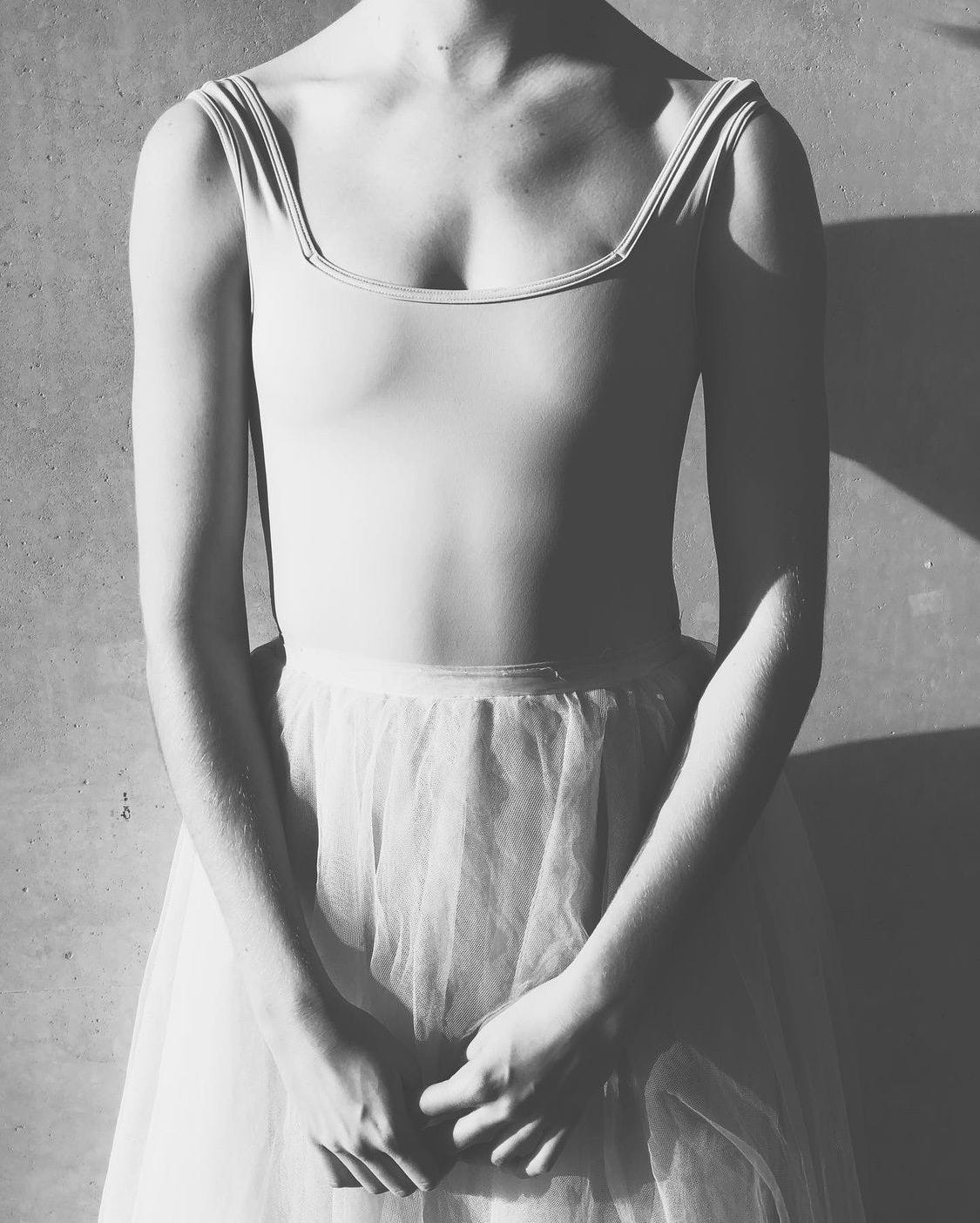
I stand in a dark corner of the wings, replaying my solo like a skipping record. I can’t stop seeing it: the split second when I lost my balance in a developpe, and briefly fell off pointe. The other Sylphs sit in the half-glow of the wings, chatting absentmindedly, watching the soloists onstage, waiting for the final death scene so that we can all bow and go home. I feel addicted, clutching a bottle and trying to drink down my endless shame. I know I’m not doing myself any good, but I feel trapped.
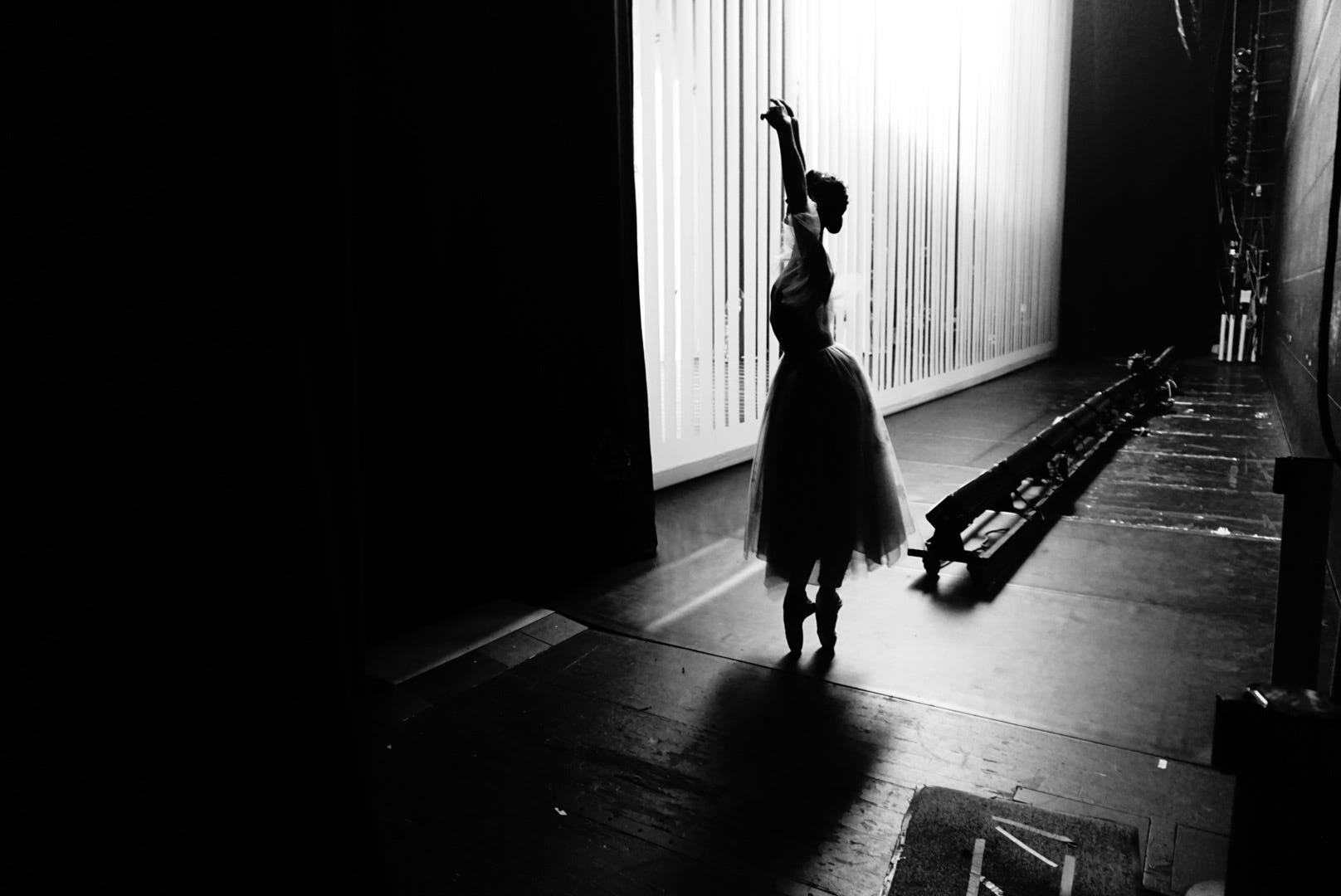
Ballet is an art centered around transcendence: leaving behind the flaws of the human body and reaching for a higher ideal, an essentially unattainable perfection that dancers will, nevertheless, sacrifice everything to try and reach. From our first lessons as children, ballet students stand in front of a mirror and use our images as our reference point, learning to fit our bodies into the mold of ballet, and not the other way around. In all our devotion to images and ideals, right and wrong, we very rarely shift our focus to the internal: to how a step could feel, or what intention could elicit a certain motion, or what ideas a step could communicate. When the prized standard is something innately higher than you, outside of your body, individual creativity and intuition become liabilities that just get in the way.
When I first encountered ballet’s religiosity, it didn’t feel foreign. I grew up within an extremely strict sector of Christianity that told me that my body and its desires were innately deceptive and depraved, and that only God and his teachings could tell me what was right for me. The combination of these early imprinted beliefs, ballet’s ideologic perfectionism, and my own natural fierce intensity, formed a potent paradigm in my young brain that grew rampant and unchecked for a very long time. I realized that I spent most of my days dancing, not from inside myself as I did when I was a kid, feeling my way through the movements that came naturally, but as if observing myself from above, watching and judging constantly. I realized I was an expert at seeking out my flaws, but the moments when I relaxed onstage and let myself go were few and far between. I realized that, although I had always received a lot of praise for working so hard and being so devoted, I had a lot of internal bruising from all the time I had spent pounding myself down. I couldn’t find the innate joy that had brought me to ballet in the first place.
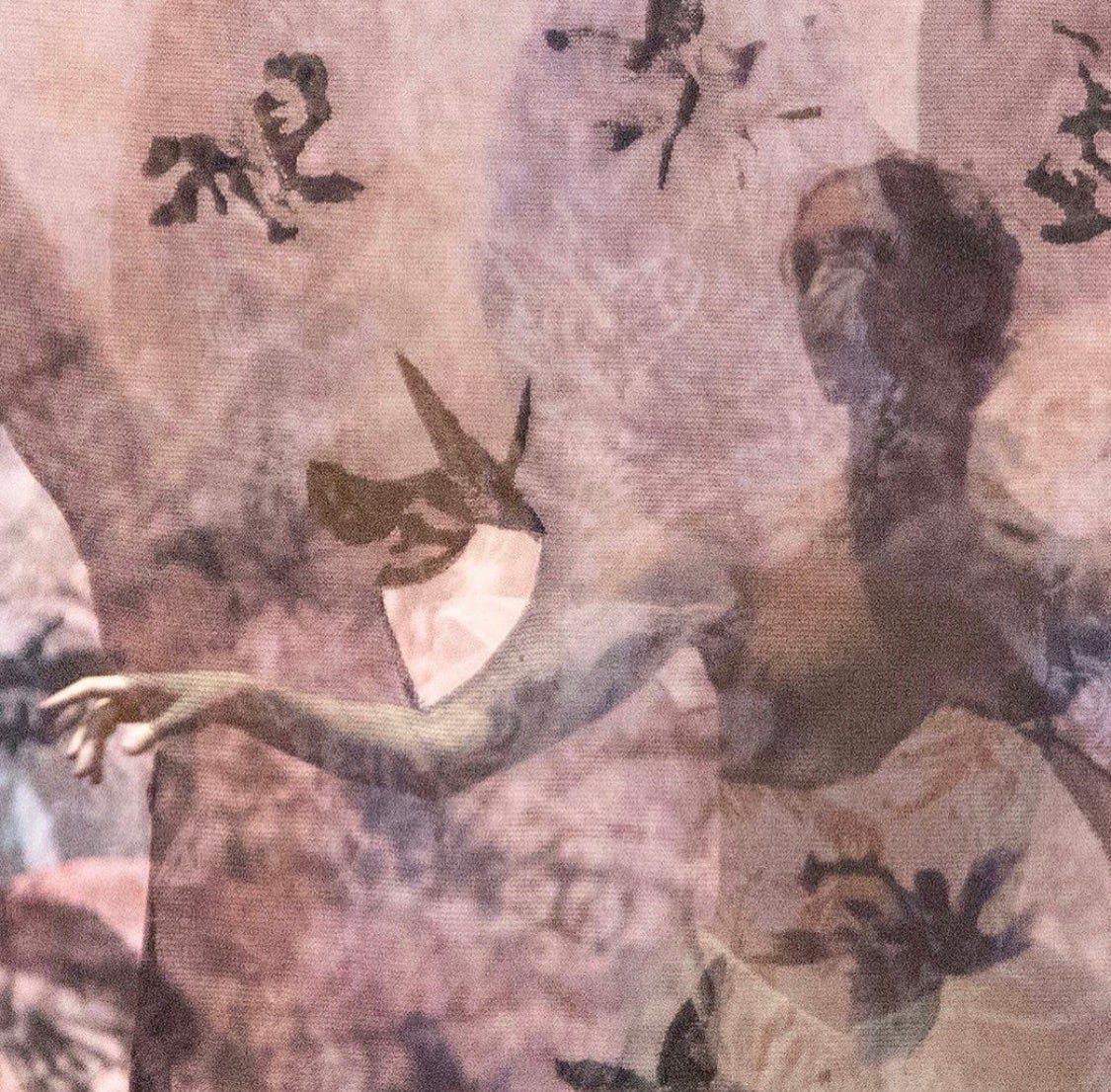
I can’t perform for you
I can’t look pretty and know what to do
I don’t want to

I don’t know what you want to see
But it’s not me.
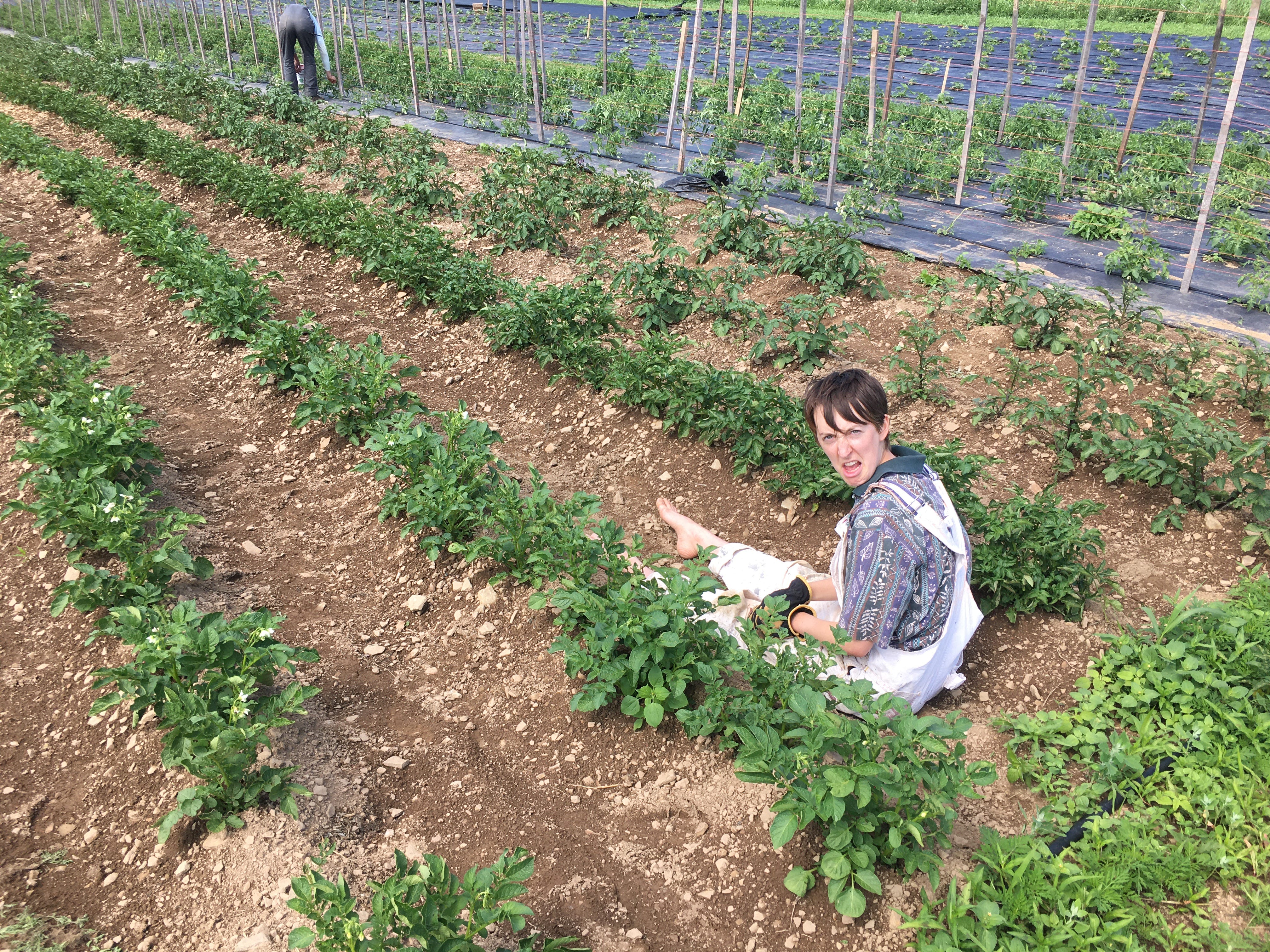
That summer holiday, I craved some time to myself. So I drove to West Virginia and spent a few weeks working on a farm. The final night of my stay, I walked up to a hill to watch the sunset. I had just spent weeks feeling connected with the earth and the people around me, using my body to nurture animals and growing things, and practicing kindness in all its forms. I had fallen in love with life, and in love with myself, in a way that I had never experienced before. As I sat watching the sun drop below the trees, I put my hands on my chest and felt my body: my livelihood for the past twenty-six years; the instrument of my obsession; my fallible flesh; my mortal enemy.
I told my body that I loved her and that I was grateful for her. And then the next thought just followed naturally: I don’t have to do this anymore. It’s my choice. Suddenly, the bubble burst inside my chest and welled over with wave after wave of sweet, free-flowing tears.
I heard someone say recently that you only try to control things you don’t trust. I realized I had never really trusted my body: I had always tried to rise above her. For all my years of ballet success, I had fallen for a shell of a life, living off the jolts of shallow, addictive electricity that I got anytime I had a good show or got cast in a good part. But that summer, I discovered a physical warmth that existed much deeper inside my core, one that glowed softly and steadily. I was ready to let go, and let this light lead the way.
That next season at the ballet, I started dancing on my own terms. I stayed home when I was sick, rested when I was tired, and forgave myself when I stumbled, because I realized that no one actually benefited from my suffering. I began to alternate ballet class with mornings of weight training, because I learned that balancing effort with rest, and giving my body variety, made my dancing feel much more grounded and powerful. I stopped forcing that inch of extra turnout at barre, and I discovered that my body moved much more joyfully when I worked with her instead of against her. I stopped practicing the same steps over and over and started spending free time on yoga and improvisational dance classes, because they connected me with my body’s intuition and playfulness.
Without a doubt, that was my best ballet season yet. My dancing practice expanded, becoming both messier and a lot more satisfying. I discovered what an adaptable, resilient, and gracious partner my body could be. I was also surprised to discover a new urge to express myself: a deep well of curiosity and creativity that I could access so much more readily, now that I treated my body with some compassion. When I wasn’t at work, I wrote incessantly: poetry, essays, music, things I had never felt entitled to try before, because I didn’t feel “good” enough. After all this time being a dancer, it still surprised me when I realized, deep inside myself, that I was also an artist.
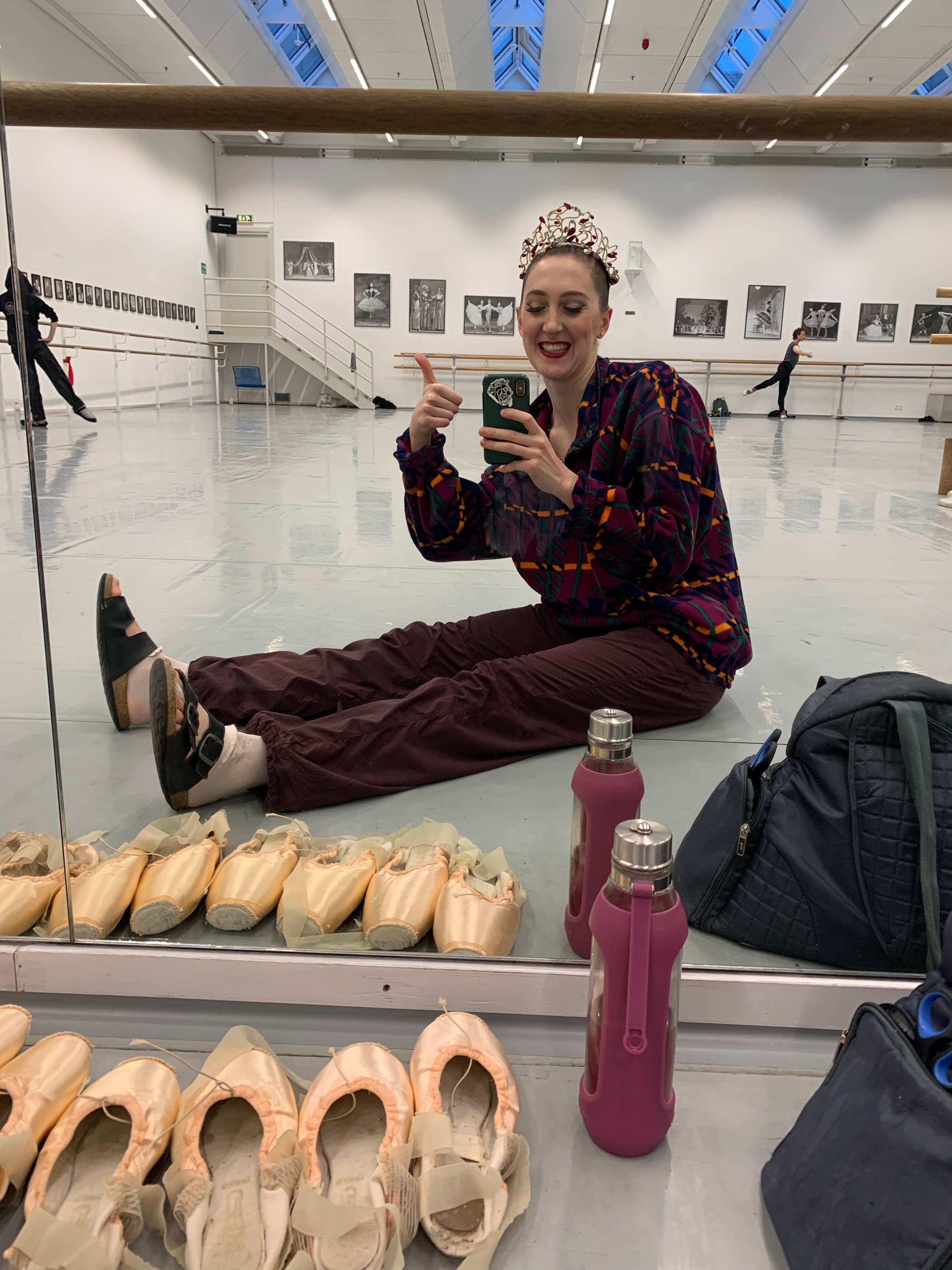
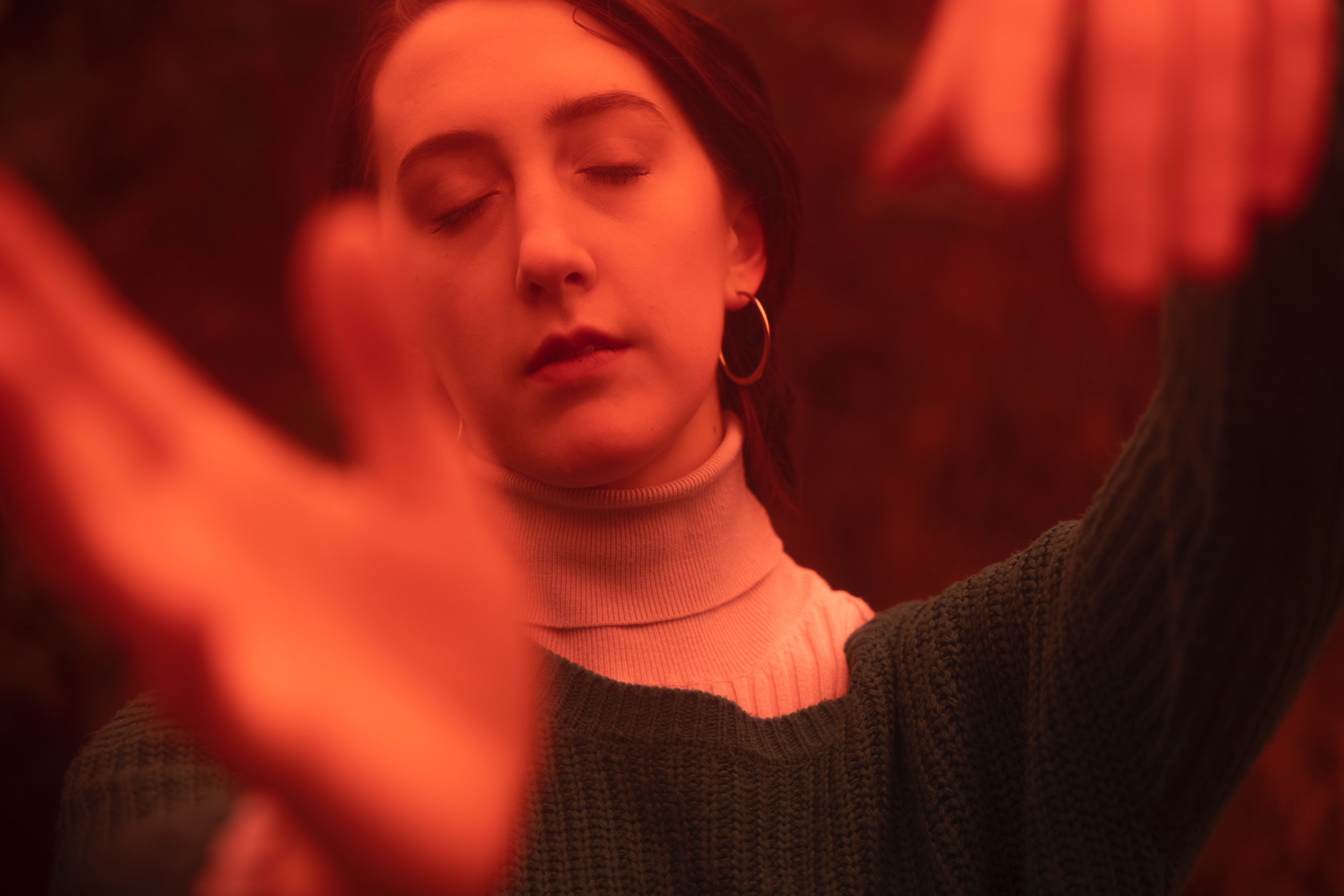
I never knew I could be so present
Pressed up against my skin, the boundary
blurred so much it’s almost gone—
To realize that in that dark open night,
bare to a thousand eyes,
I could breathe.
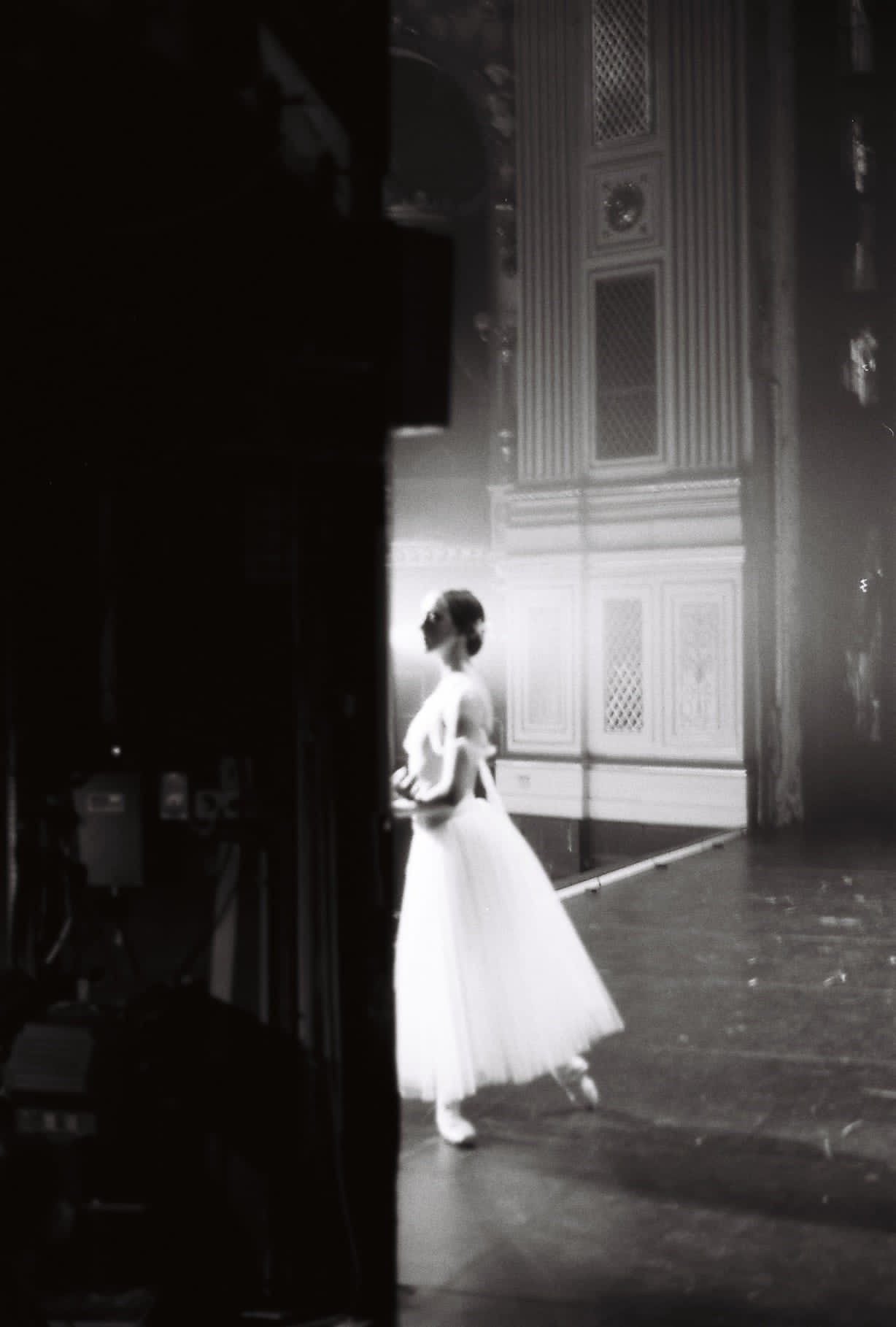
I loved so many things about being a ballet dancer. There is the art form itself, whose well-executed, exquisite beauty still takes my breath away. Then there is the practice—the intimate intensity of life behind the curtain. The collegial bonds of sweat and tears, sharing the closeness that can only come from traveling together to the edges of exhaustion. The joy of discovering my body’s immense capacity with every new day. The challenge of interpreting tricky steps as my own, becoming a vessel that keeps a time-honed craft alive. Most of all, I loved performing. On a dark stage, for just a few moments, time stops. The center of the universe becomes a tapestry of music and movement, fashion and architecture, wrapped up inside a story and shared as a gift. Performing feels like breathing: both sacred and mortal, substantial and ephemeral.
But even as I fell in love with the practice of ballet again, that last season in Denmark, I knew that I no longer felt completely at home in the profession. I couldn’t imagine spending the next fifteen years of my life cycling through Swan Lake and Sleeping Beauty and Sylphide again and again. I didn’t find myself represented by the figure of the delicate woman anymore. I didn’t find ballet’s “misfit” and “evil” characters—the Hilarions, the Rothbarts, the Jesters—laughable or despicable anymore; I found them intriguing, and compelling, and I could even see myself in them. I felt so true to myself when I was dancing—in cropped hair and cutoff shorts, jumping as high as possible during grand allegro—but I no longer wanted to be the ballerina, this archetype of untainted perfection. I found it more and more difficult to reconcile the person I had to pretend to be at work, with the woman I was discovering I was.
I wanted to stand on my own two feet and answer to my own convictions. I wanted to shake off the paralyzing presence of the great Eyes always watching me—whether it was the Artistic Director or the Choreographer or God—the male gaze that had always kept me obedient and small. I wanted to stop allowing my body to be manipulated, lifted and turned by men’s hands in every pas de deux. I wanted to express my own sexuality, feel want and desire myself, instead of just being terrified over whether I was wanted or desired by others. I wanted to say no to steps I didn’t want to perform, to roles I didn’t want to portray, to cut my hair and dress how I wanted, without worrying about how it might affect my career. Above all of that, I wanted to go hiking; volunteer at urban gardens; take college classes, go on dates and meet new people, do the things that I had never had the time or energy to do, when I was always exhausted from rehearsal and preoccupied with the next upcoming premiere. I found this new side of myself more and more compelling. It was time to give myself space to grow.
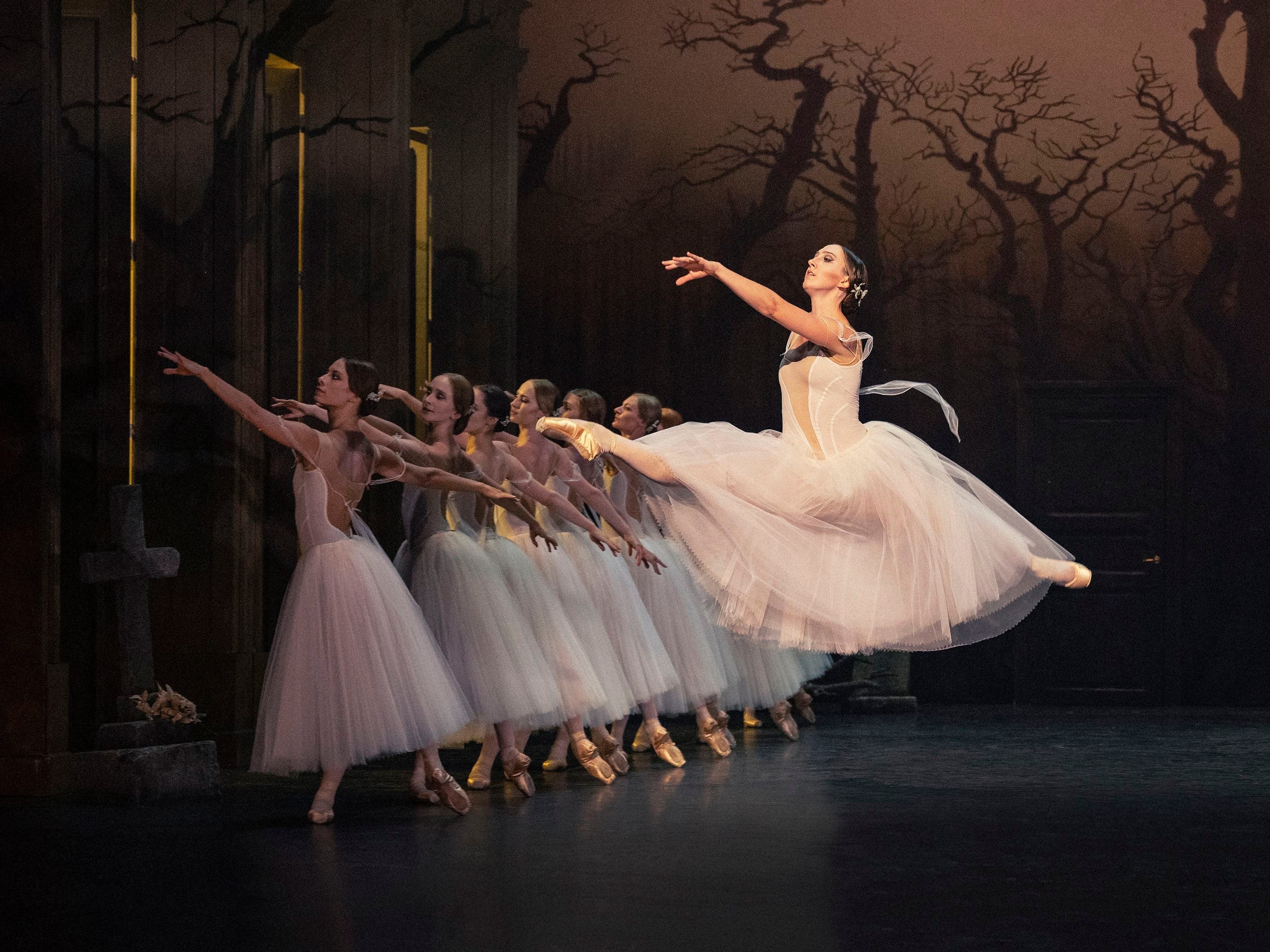
I will always remember this feeling, standing in the glow of the stage, my last time dancing Myrtha. There have been times in the past when my dancing world was a stifling and jagged place, and my mistakes, the ways in which I felt wrong, loomed like mountains and left shadows all over my consciousness. But tonight, I danced outside of my mind and abandoned to my body. The dark auditorium before me, and the people circling around me, felt warm and safe, parts of me that I know I will keep even after I walk away. I realize I don’t feel judged anymore, because I have bent down and erased my old line between the right and the unacceptable. I am creating a life that is right, simply because it is mine.
And so here I am, an officially “retired” ballerina. For now, I still dance often, both inside and outside the studio. Ironically, in some ways I feel like more of a dancer than ever. I’m surprised by how often I get the urge to move, and how much my body has to say, in a beautiful organic language of its own. I dance in the kitchen, walking down the street with my headphones on, or on the beach after a swim, like that weird hippie aunt.
I struggle with understanding exactly where I am going, now that I cannot so cleanly define my life’s path. But as my chiseled limbs and bony, calloused toes start to round and soften their edges, I’m practicing kindness to myself first and foremost, watching my body cope beautifully as she moves through an earth-shaking change. It feels so good to love her through it. It feels so good to move just for the sheer pleasure of moving: to revel in the unfolded span of my arms as I stretch, and to feel my heart beating as I run through the ocean spray.
So yes, I quit doing ballet (for money). And although I have finally come to a place where I am comfortable calling myself “retired,” I know that the reality of my relationship with this art form is a little more complicated. Ballet and I are far too intertwined, now, for us to ever completely disentangle from each other. I grew up inside these positions, and these steps shaped who I am, just as much as I shaped them in daily practice.
But ballet never owned me. When I peel away the layers of the establishment, the gates and the rules, the perfect images and unattainable ideals, what I am left with is my body, and the pure, endlessly spacious craft that still lives within it. Every time I do a port de bras and feel my muscles light up with knowing, I remember that ballet is mine, simply because it is through my body that it moves. It will always find home here.
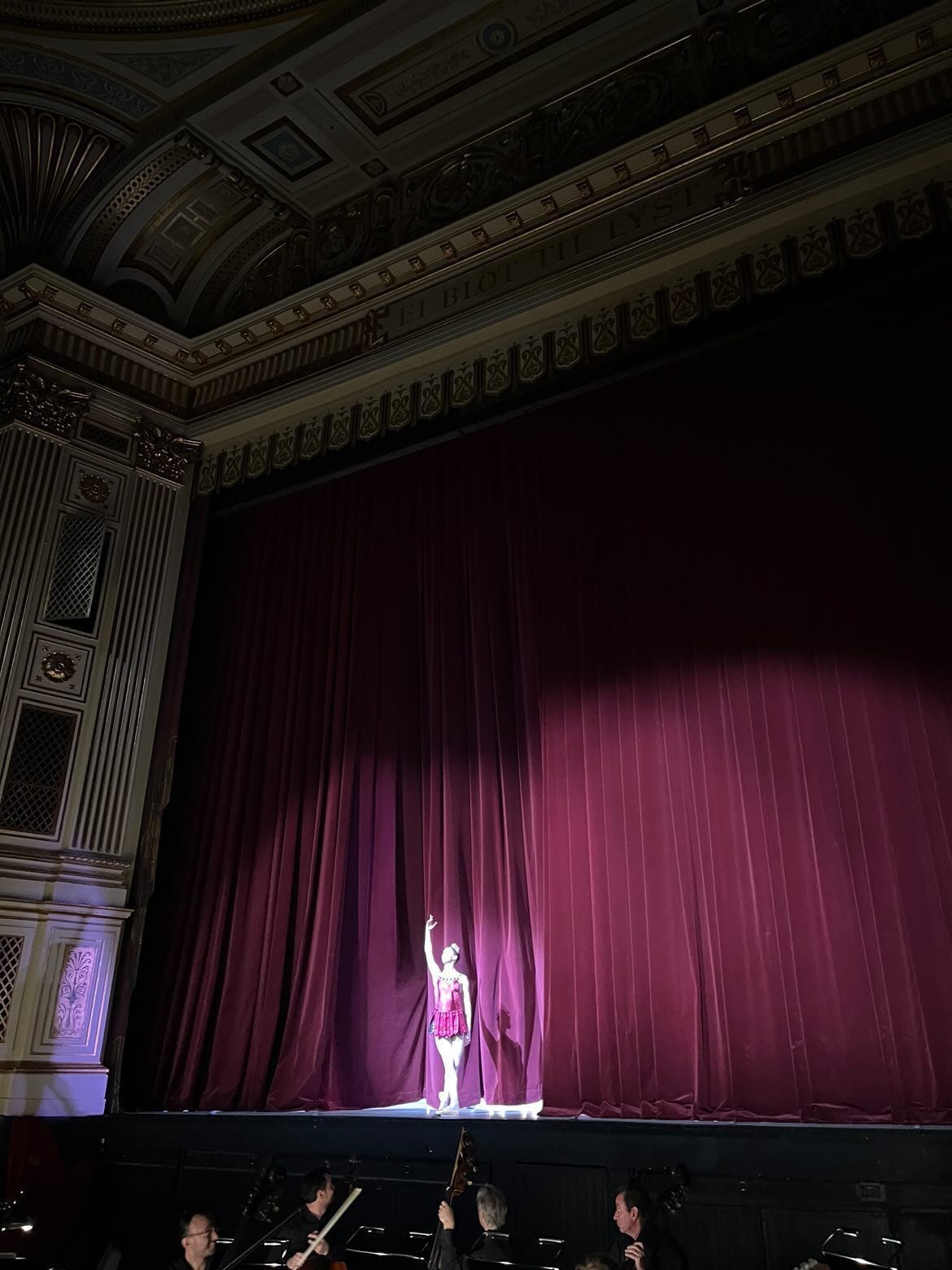
Photo credits:
Caroline Bittencourt
Cecilia Lassen
Marina Minou
Mia Stensgaard
Tilde Døssing
Mathieu Rouaux
Henrik Stenberg